

What Are Cyber Security Services?
Cybersecurity brings people, processes and technical controls together to protect users, networks, endpoints, applications, cloud environments and business data.
A coordinated approach starts with understanding important assets and exposures, then selecting appropriate safeguards, visibility and response processes. The design should fit the existing infrastructure and the teams responsible for operating it.
Monitoring hours, response responsibilities and ongoing service coverage are defined in the agreed scope.

Benefits of Cyber Security Services
Core Cyber Security Capabilities
Select complementary solution areas according to business priorities, existing controls and the agreed scope.
Cyber Security Features
What Our Cyber Security Services Cover
Enterprise cybersecurity extends across users, identities, endpoints, networks, applications, cloud environments, business data, monitoring and recovery. CloudShots helps organisations evaluate and address requirements across these layers, selecting technologies and controls to suit the existing environment and customer priorities. Exact scope and operational responsibilities must be agreed. Individual services can be deployed separately or combined within a broader layered approach; the capabilities below describe areas for scoping rather than a standard package included in every engagement.
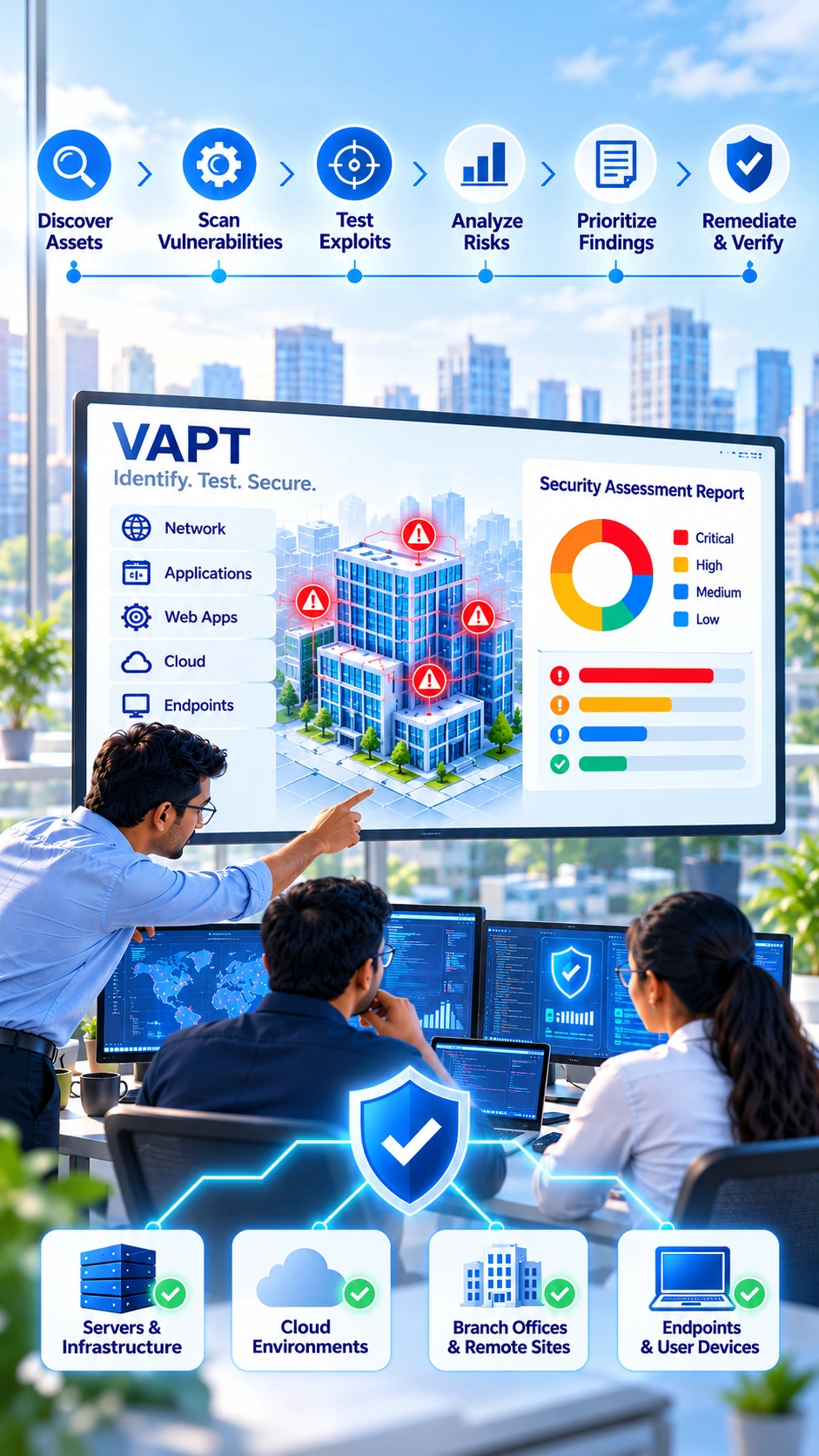
Vulnerability Assessment & Penetration Testing (VAPT)
Turn technical weaknesses into prioritised, actionable security findings.
Vulnerability assessment identifies, analyses and prioritises weaknesses and exposures across an agreed set of systems. Penetration testing uses controlled testing to validate whether selected weaknesses can be exploited within explicitly authorised boundaries. These activities answer related but different questions: what appears vulnerable, and what an attacker could achieve under the permitted conditions. An engagement may examine external infrastructure, internal networks, applications or other agreed assets. Findings should explain affected systems, evidence, potential impact and practical remediation options. Assessment supports ongoing vulnerability management alongside patching, secure configuration and change control; it is a point-in-time view rather than proof that every weakness has been discovered.
What We Cover
- External and internal network assessment against an agreed asset inventory.
- Web application and API testing where explicitly included.
- Wireless or cloud assessment where relevant to the engagement.
- Configuration review and controlled exploitation within authorised limits.
- Risk prioritisation using exposure, impact and business context.
- Remediation guidance and reassessment or retesting where agreed.
Why It Matters
A prioritised assessment helps teams distinguish urgent exposures from findings that need further context. Evidence gives system owners a clearer basis for remediation decisions and supports meaningful conversations between security and operations. Retesting can establish whether agreed fixes address the original finding without suggesting that future risk has been eliminated.
Design & Scope Considerations
Agree asset ownership, written authorisation, testing methods, exclusions, permitted windows and disruption limits before work begins. Define access requirements, handling of sensitive findings, reporting recipients and retest scope. Not every VAPT engagement includes every assessment or penetration-testing method.

Network Security
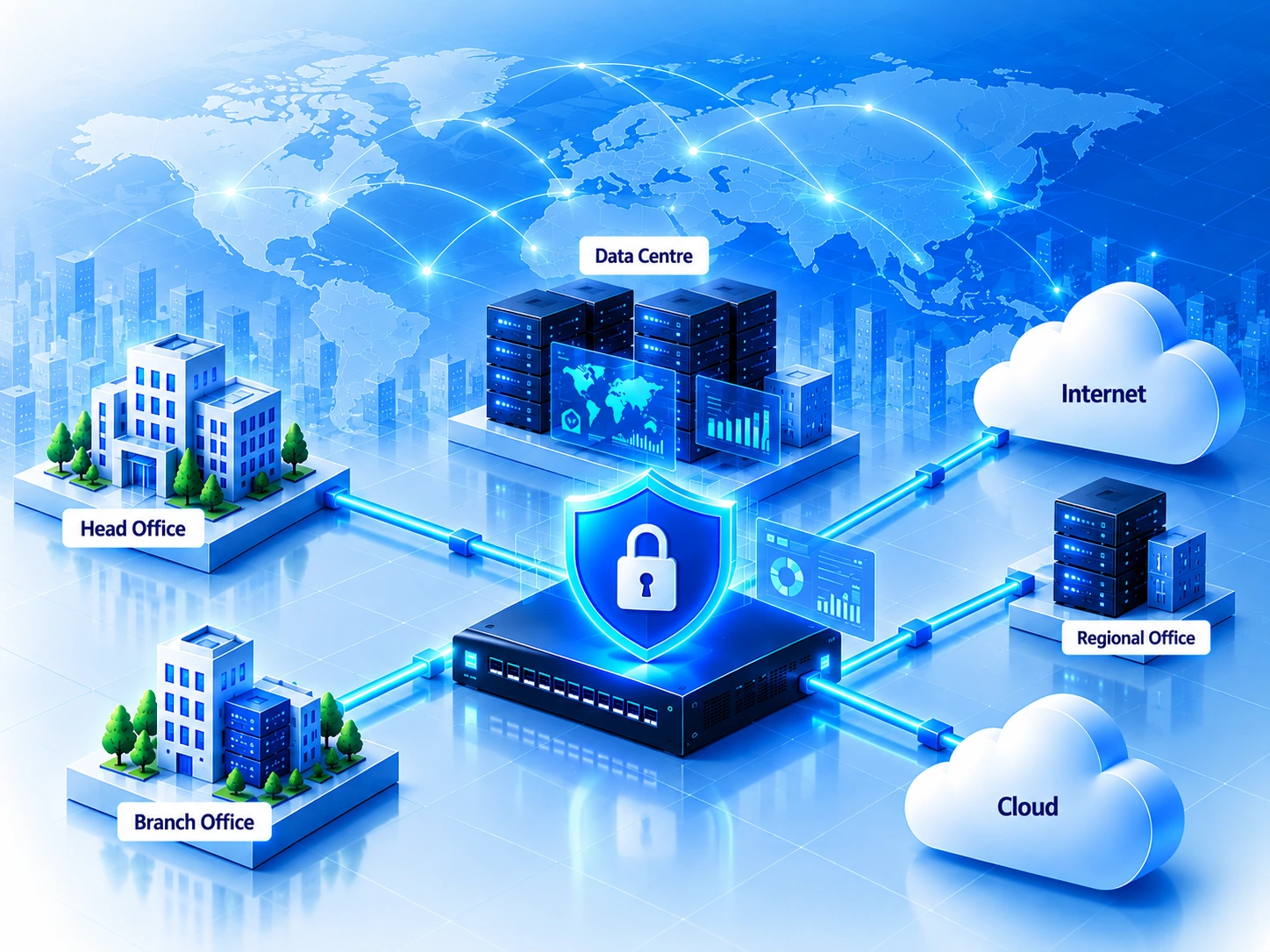
Protect communication paths and trust boundaries across the enterprise.
Network security addresses how users, devices and systems communicate across internet connections, internal zones and distributed sites. The aim is to allow necessary business traffic while limiting unnecessary access and improving visibility into unusual activity. A practical design starts with actual traffic flows, including remote access and dependencies between branches, data centres and applications. Controls may include segmentation, access policies, intrusion detection or prevention and appropriate traffic inspection. These measures work alongside endpoint, identity and application protections. They must also account for network performance, operational ownership and the effect of changes on services that depend on reliable communication between different environments.
What We Cover
- Network-zone and segmentation design based on trust and application dependencies.
- Perimeter and internal access-policy review.
- Remote access and VPN controls with authentication requirements.
- IDS/IPS and traffic-visibility considerations where supported.
- Branch and WAN security integration across agreed locations.
- Policy validation and documented traffic exceptions.
Why It Matters
For distributed offices, security must be considered alongside MPLS VPN and SD-WAN. Private connectivity does not establish complete cybersecurity or protect every endpoint, identity, application and dataset. SD-WAN security capabilities depend on the selected architecture and services; explicit controls are still needed around the traffic and resources being accessed.
Design & Scope Considerations
Map internet entry points, private links, sites and critical flows, including existing Internet Leased Line and Point-to-Point Connectivity arrangements. Agree access exceptions, inspection needs, performance requirements and operational responsibilities. Validate proposed controls against application behaviour before introducing restrictive policies.

Firewall Security
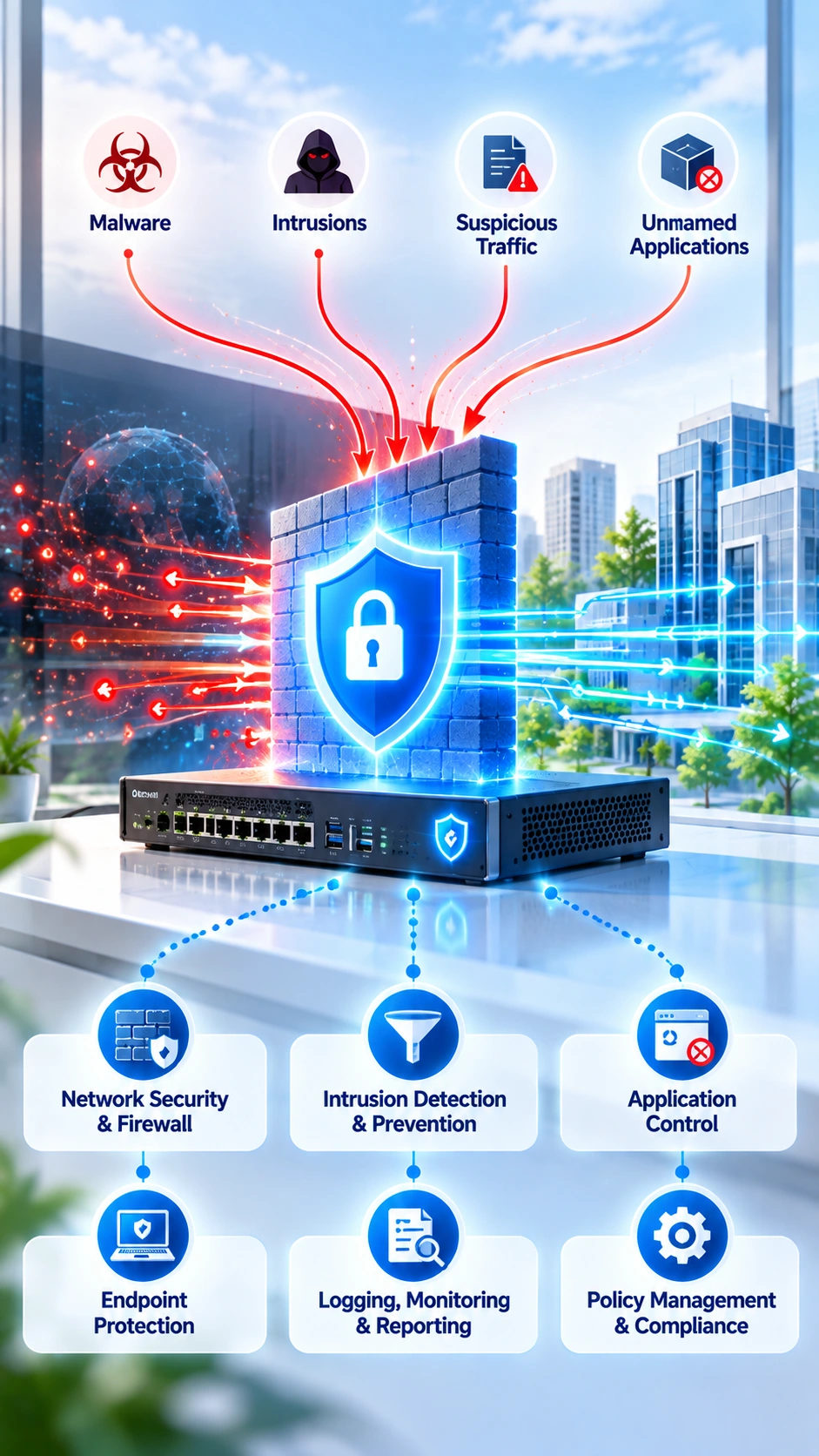
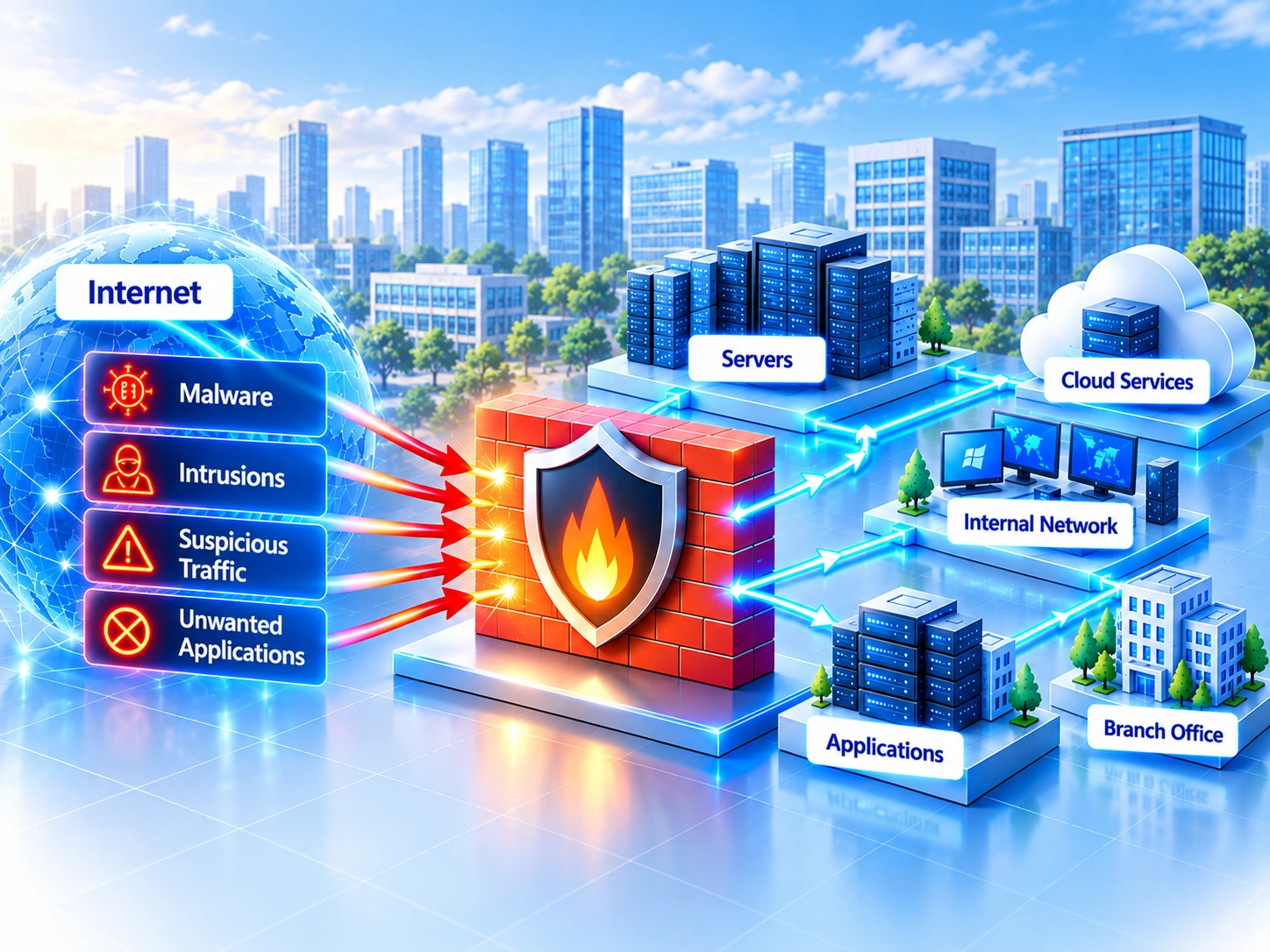
Make traffic-control policies fit the applications and risks they protect.
Firewall security involves the architecture, rules and operating practices that govern traffic between network zones. Installing an appliance or enabling a cloud firewall is only one part of that work. Policies must reflect which users and applications need access, the direction of communication and the level of inspection appropriate to each flow. Overly broad rules can expose services; poorly understood restrictions can interrupt business operations. A well-defined service considers internet edges, internal boundaries and branch environments, together with logging and policy maintenance. Next-generation capabilities may add application awareness and threat inspection, subject to the selected technology, licences and required performance.
What We Cover
- Firewall placement and security-zone design.
- Rule-base review, including redundant or overly permissive access.
- Application-aware controls and traffic-filtering policies.
- Threat-inspection options and encrypted-traffic considerations.
- Logging, change approval and policy-review workflows.
- High-availability and branch-perimeter design considerations.
Why It Matters
Clear firewall policies help teams explain why access exists and who owns it. Reviewed rules and useful logs can reduce avoidable exposure and simplify troubleshooting when applications change. Availability planning also helps expose dependencies that a redundant device alone may not resolve, such as upstream circuits or shared infrastructure.
Design & Scope Considerations
Determine traffic flows, applications, users, sites, bandwidth and inspection requirements before selecting capacity. Agree availability needs, logging retention, rule ownership and change windows. Compatibility, licensing and encrypted-traffic inspection constraints must be evaluated against existing infrastructure; no vendor partnership or product inclusion is assumed.
Cloud Security
Align cloud controls with the services used and the responsibilities retained.
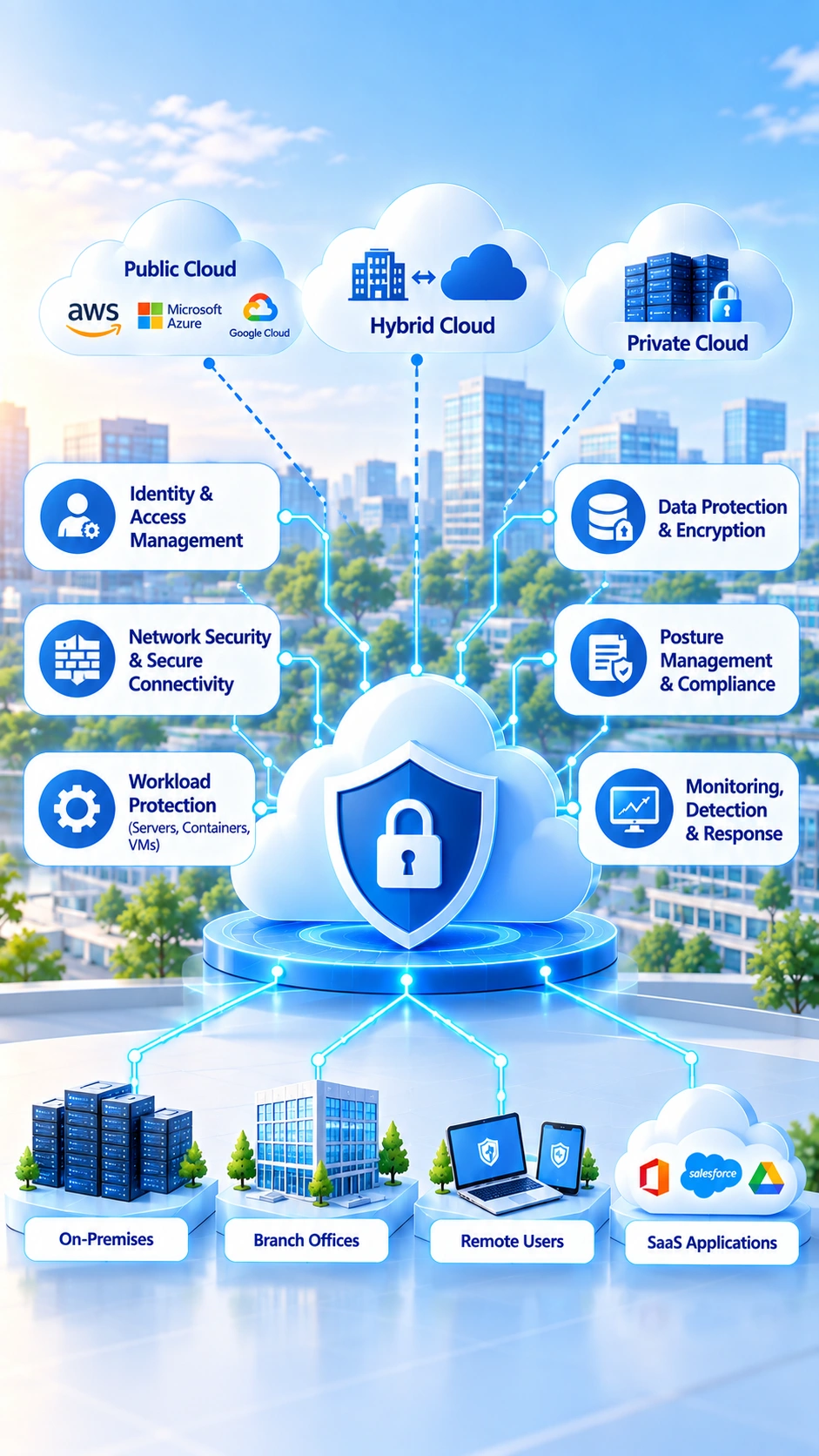
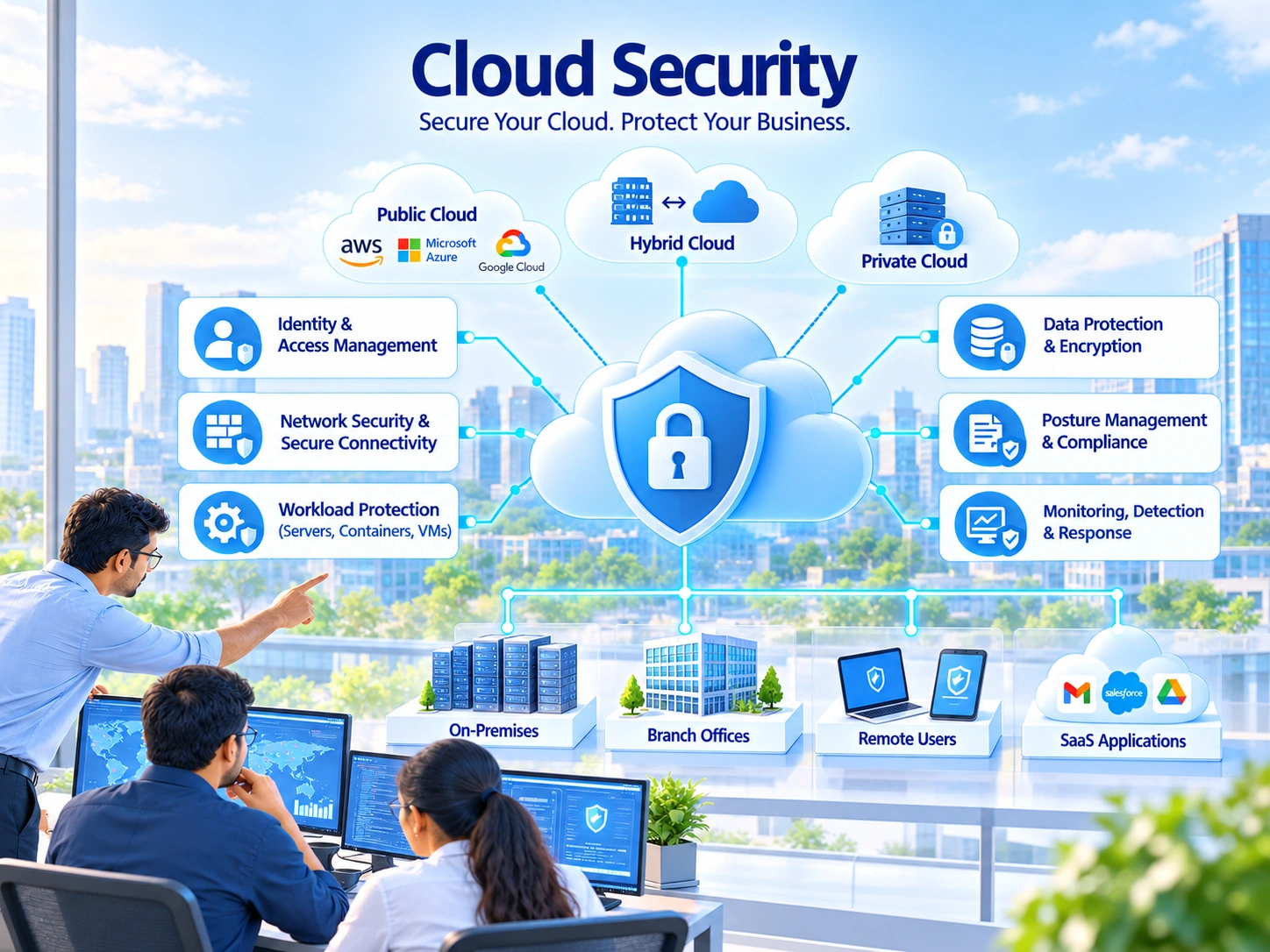
Cloud security addresses configuration, identities, workload exposure and data handling in the cloud environments included in scope. Public cloud, private cloud, SaaS and hybrid deployments create different control points, so a single checklist rarely describes every requirement. Shared responsibility is central: providers secure certain infrastructure or platform components, while customers retain responsibilities that vary with the service model. These may include permissions, application configuration and information access. Reviewing those boundaries helps reveal gaps between assumed and actual ownership. Cloud protections also need to connect with enterprise identity, logging and network controls so workloads are considered within the wider business environment.
What We Cover
- Security posture and configuration review for agreed platforms.
- Identity permissions and excessive-access assessment.
- Public exposure, cloud-network and workload-protection considerations.
- Data access, encryption and key-management responsibilities.
- SaaS access and CASB-related considerations where appropriate.
- Logging, hybrid integration and shared-responsibility review.
Why It Matters
Cloud adoption can change exposure without a corresponding change in physical infrastructure. Reviewing permissions and configuration helps teams understand who can access resources and how activity is recorded. Security planning alongside existing Cloud Connectivity arrangements can also distinguish transport requirements from the controls needed around workloads, identities and information.
Design & Scope Considerations
Specify cloud accounts, subscriptions, SaaS services and workloads in scope. Confirm customer and provider responsibilities, access permissions, logging availability and integration constraints. Multi-cloud coverage, specialist tools and ongoing posture management are included only where selected and agreed for the environment.
Endpoint Security
Strengthen the devices through which people and services access business systems.
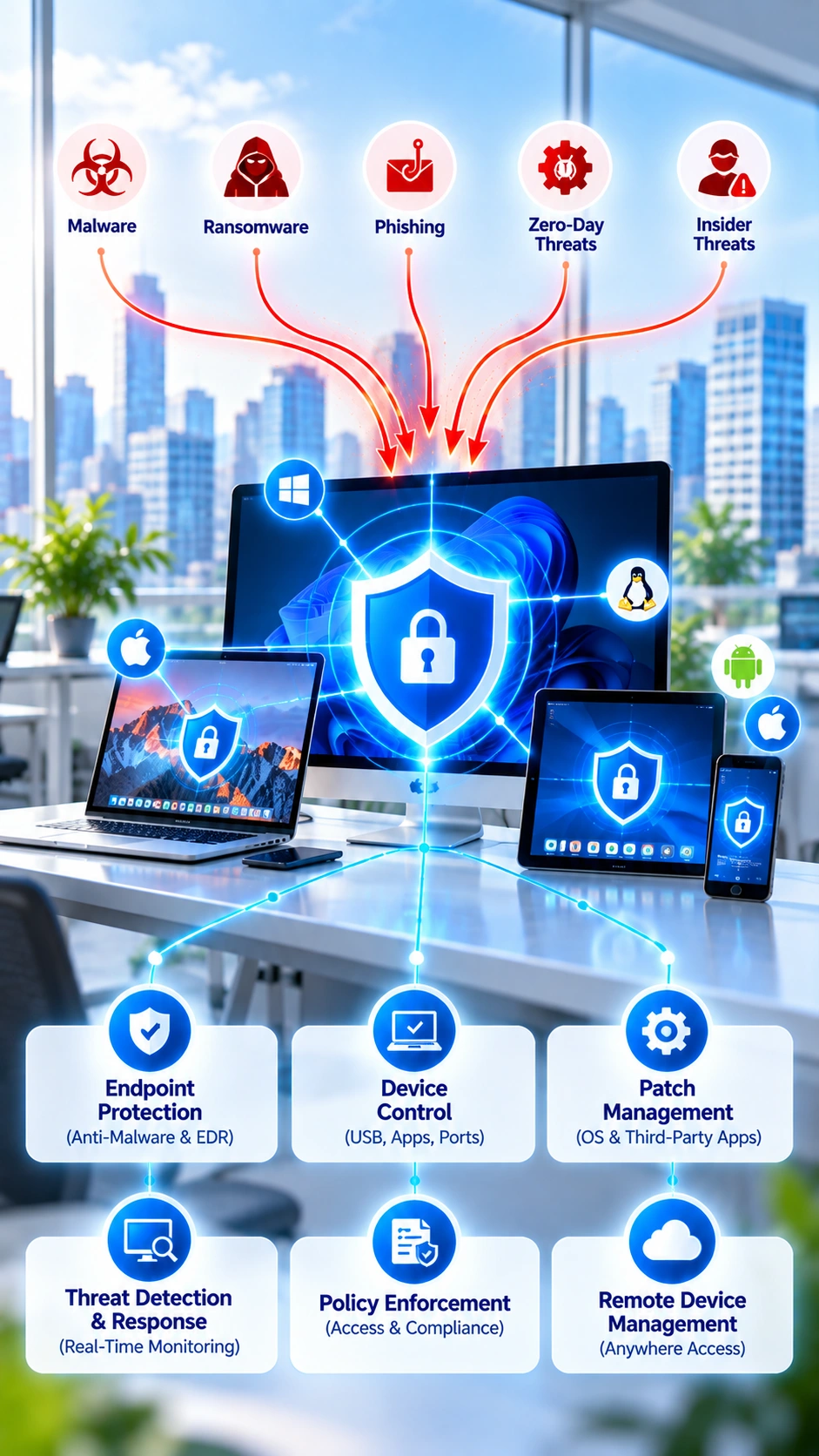
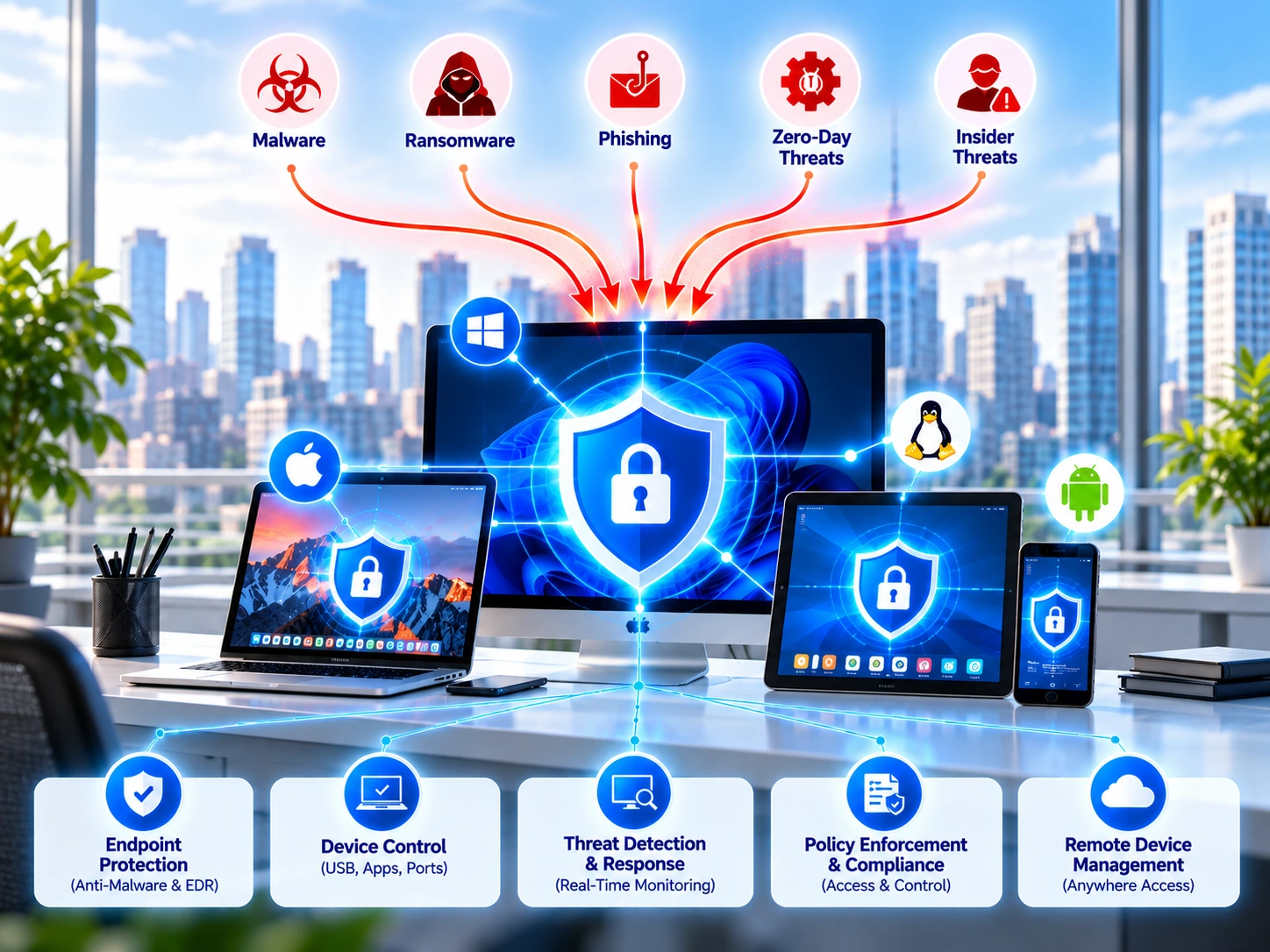
Laptops, desktops, servers and other managed devices are important security control points because they process information and connect users to corporate resources. Endpoint security combines suitable protection technologies with configuration, policies and operational procedures. It addresses malicious activity, insecure settings and gaps in device visibility while recognising differences between office equipment, remote devices and critical servers. Effective coverage depends on knowing which devices exist, whether controls are functioning and how alerts will be handled. Endpoint measures complement identity, network and data controls; they cannot by themselves eliminate malware or ransomware risk, particularly where credentials, unsupported systems or recovery arrangements remain exposed.
What We Cover
- Protection-policy planning for supported device and server groups.
- Malware defence and ransomware-risk reduction considerations.
- Endpoint detection and response options where selected.
- Device configuration, device control and encryption considerations.
- Visibility into coverage gaps and remote-workforce devices.
- Investigation readiness and agreed device-isolation procedures.
Why It Matters
Consistent endpoint policies help reduce differences in protection across teams and locations. Device visibility can reveal unmanaged or unhealthy systems before they become operational blind spots. Clear investigation and isolation responsibilities support a more coordinated response while allowing business owners to assess the impact of taking a device offline.
Design & Scope Considerations
Confirm operating systems, device ownership, server dependencies and existing management tools. Assess compatibility, licensing, connectivity and administrative access. Define alert ownership and permissible response actions; EDR, managed detection or continuous monitoring is not automatically included simply because endpoint protection is discussed.
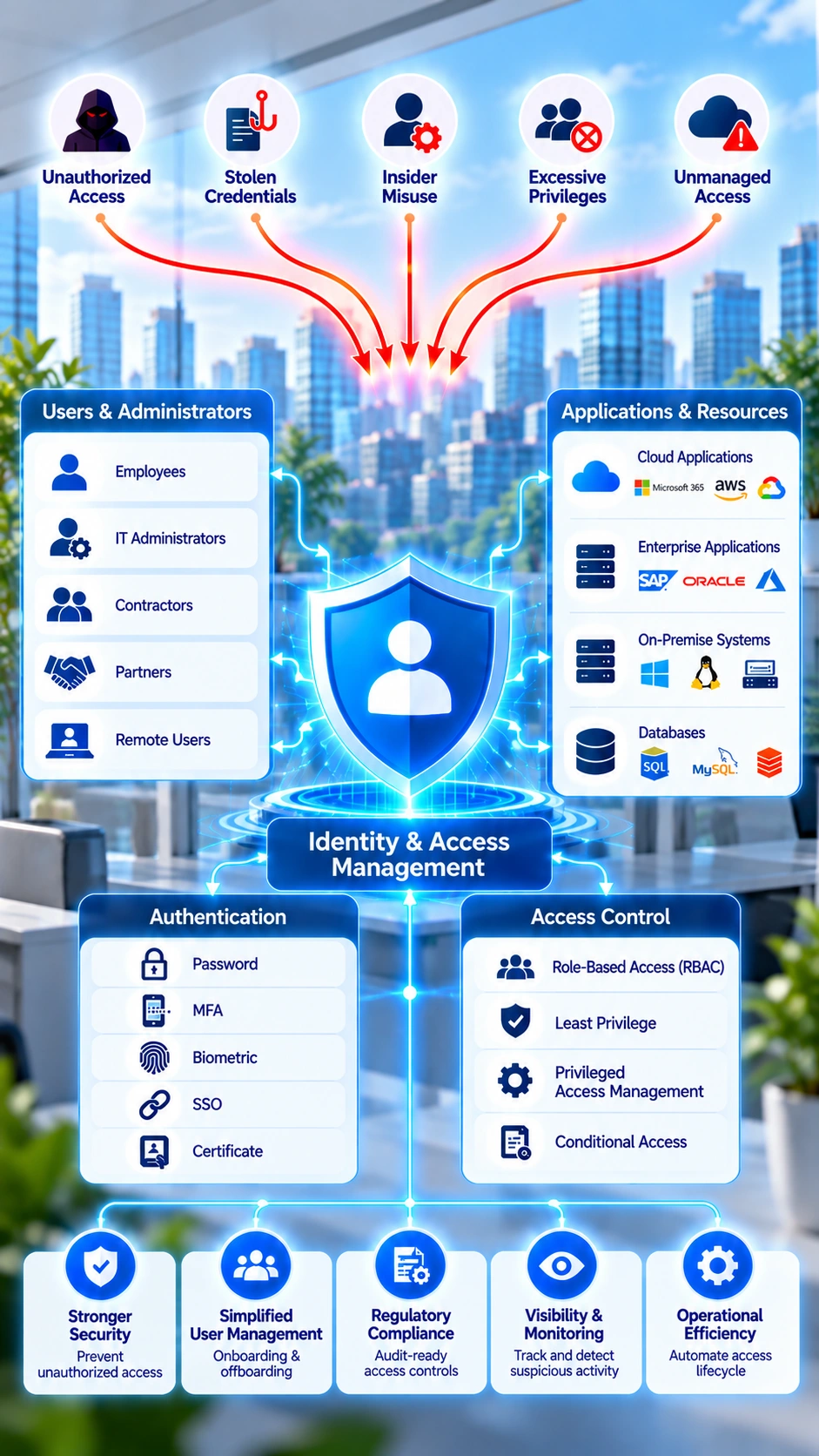
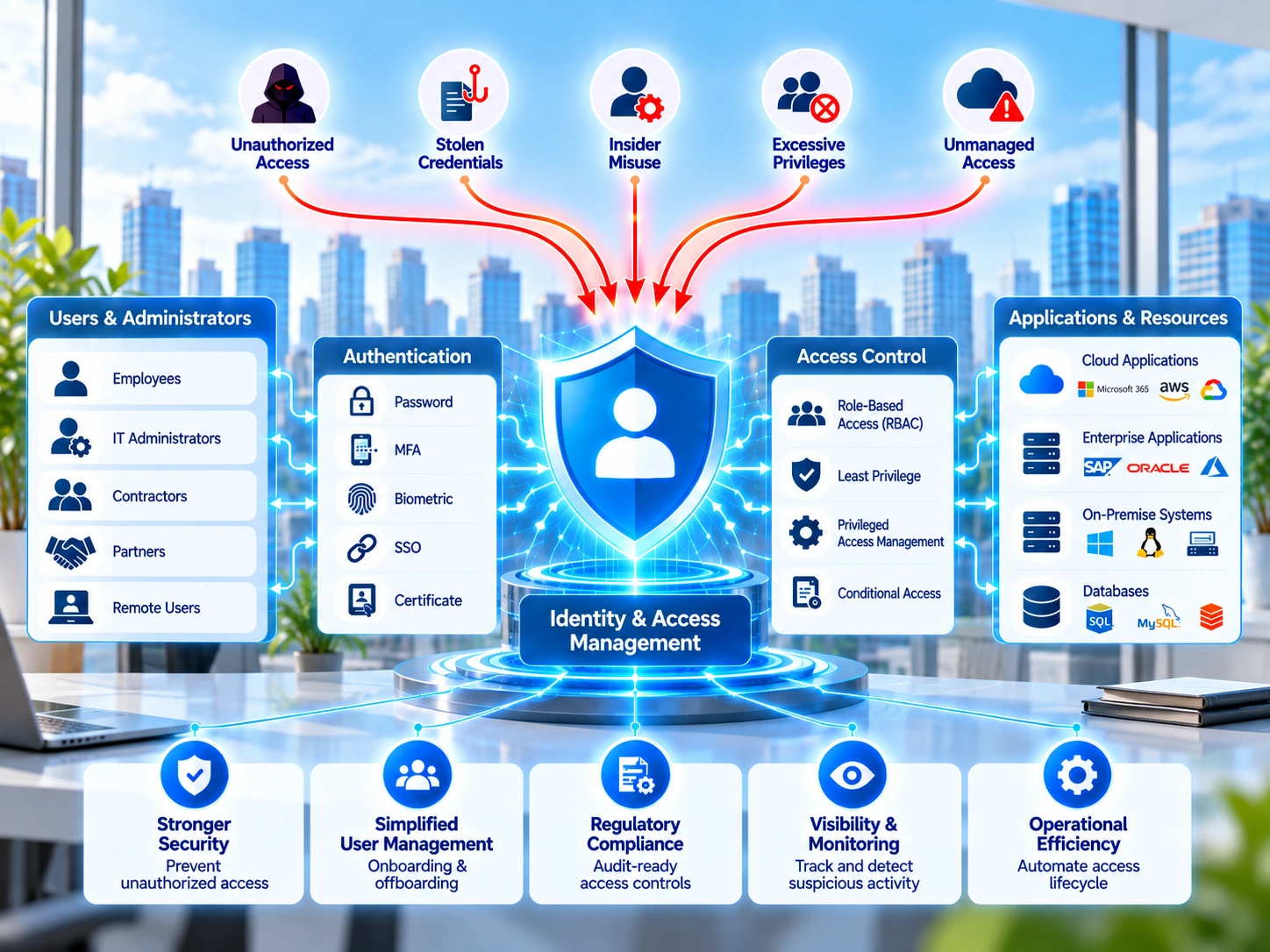
Identity and Access Management (IAM)
Give the right identity the right access for an appropriate business purpose.
Identity and access management governs how users, administrators and applications obtain and retain access to business resources. It connects identity lifecycle processes with authentication and authorisation across on-premises systems and cloud services. The goal is not merely a successful login: access should match the resource, the task and the level of privilege required. Joiner, mover and leaver processes matter because business roles change and unused access can persist. IAM also considers service accounts and administrative identities that may hold extensive permissions. These controls support layered security by reducing reliance on network location as the sole reason to trust an access request.
What We Cover
- User provisioning, role changes and timely de-provisioning.
- Authentication and multi-factor authentication considerations.
- Role-based access and least-privilege policy design.
- Privileged, administrative and service-account access considerations.
- Application and cloud access integration requirements.
- Periodic access reviews, exceptions and approval ownership.
Why It Matters
Defined access ownership makes it easier to explain who can use a resource and why. Lifecycle controls can reduce lingering permissions after a role change or departure. Where appropriate, verifying identity and relevant access context supports zero-trust-aligned principles without treating a product purchase as a complete security architecture.
Design & Scope Considerations
Identify identity sources, applications, account types and available integration methods. Agree roles, approvers, privileged-access requirements and recovery procedures for lost access. Consider user impact, emergency access and review frequency; specific IAM platforms and implementation coverage depend on the agreed design.
Data Security
Protect business information through access, use, storage and movement.
Data security focuses on the information an organisation holds, where it resides and how it is accessed or shared. Protection begins with understanding sensitive datasets and the business processes that use them, rather than assuming every file needs the same treatment. Controls can address permissions, handling practices, storage and transfer across applications, endpoints and cloud services. Encryption and data loss prevention may help where appropriate, but require decisions about keys, policies and operational ownership. Data security is related to backup, business continuity and regulatory compliance without being identical to any of them. Each discipline has its own objectives and responsibilities within a wider protection programme.
What We Cover
- Sensitive-information identification and classification requirements.
- Access permissions and data-handling policy review.
- Encryption and key-ownership considerations.
- Data loss prevention options for selected information flows.
- Storage, transfer, endpoint and cloud data-protection considerations.
- Backup security, access visibility and governance support.
Why It Matters
Understanding information flows helps organisations apply controls where disclosure, alteration or loss would matter most. Clear handling rules also support everyday decisions about sharing and access. Coordinating with backup and governance teams can reveal gaps between keeping copies available, protecting those copies and meeting applicable obligations without claiming compliance certification.
Design & Scope Considerations
Agree data categories, owners, systems and transfer paths in scope. Determine access rules, retention needs and any relevant legal requirements with the responsible stakeholders. Assess tool compatibility and policy impact; backup operations, recovery design and compliance assessments require their own explicit responsibilities.


Email & User Security
Reduce exposure across communication channels, accounts and everyday user actions.
Email and collaboration channels connect employees with customers, suppliers and unfamiliar senders, making them important paths for deception and account misuse. Email and user security combines technical filtering, account controls and operating procedures to address suspicious messages and risky interactions. It can consider malicious links or attachments, spoofing, impersonation and business email compromise alongside authentication and reporting practices. No filtering system or awareness programme removes every threat. A layered approach therefore also considers how requests are verified, how users report concerns and how compromised accounts are investigated. Controls should fit the organisation’s mail platforms and the way people actually conduct business.
What We Cover
- Email threat filtering and link/attachment protection considerations.
- Phishing, impersonation and spoofing risk review.
- Email authentication and sender-domain configuration considerations.
- Account access protection and MFA requirements.
- Business email compromise verification and escalation procedures.
- Suspicious-message reporting and complementary user-awareness measures.
Why It Matters
Combining account protection with clear reporting routes gives users practical ways to respond to suspicious activity. Independent verification of unusual payment or information requests can complement technical controls. Awareness works best when supported by usable policies and escalation procedures, rather than placing sole responsibility for recognising every attack on individual employees.
Design & Scope Considerations
Confirm mail and collaboration platforms, domains, user groups and existing controls. Define investigation ownership, reporting routes and exception handling. Assess privacy, message-processing and integration requirements; awareness activities, simulations and ongoing administration should be specified separately where required.


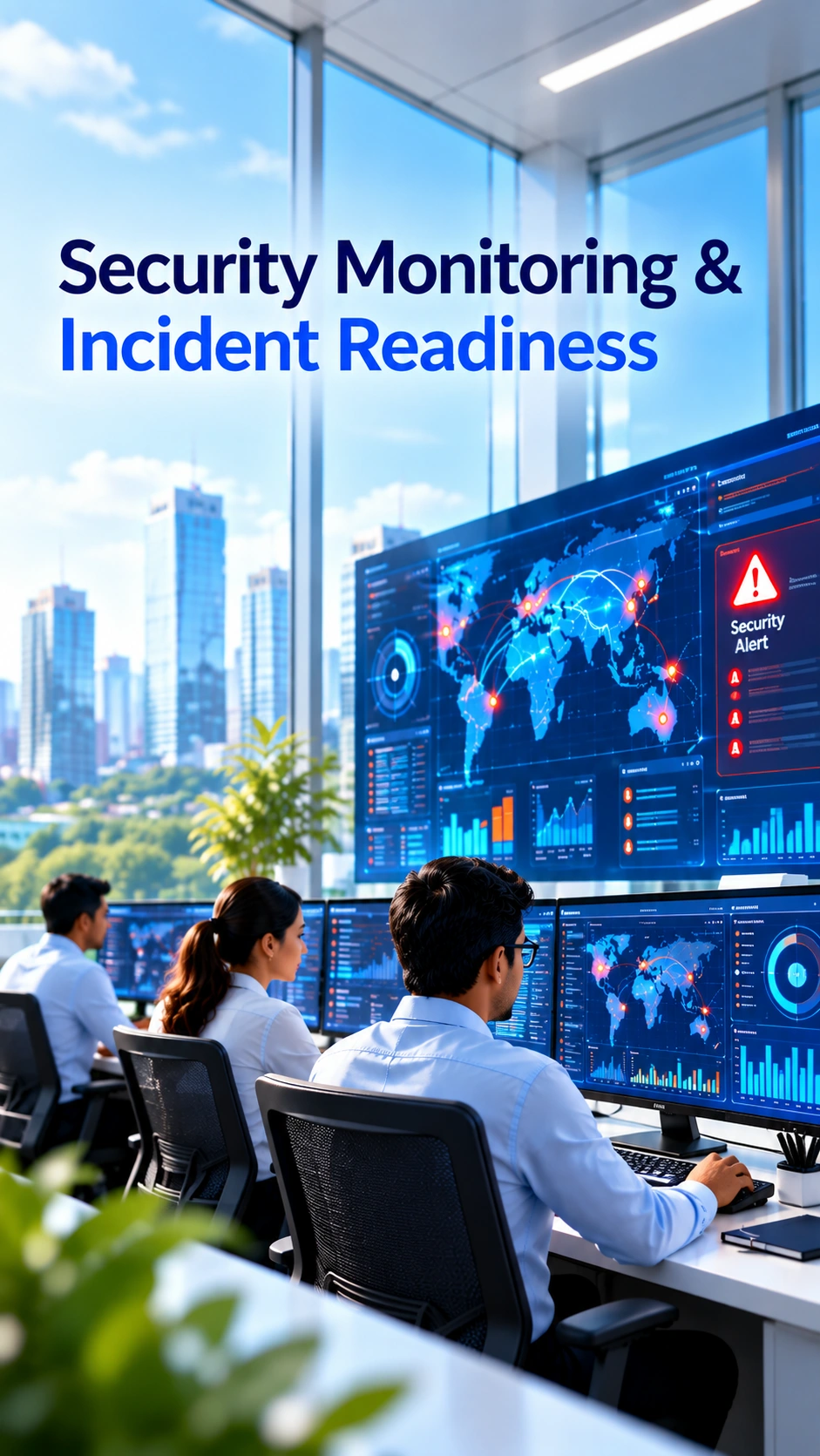
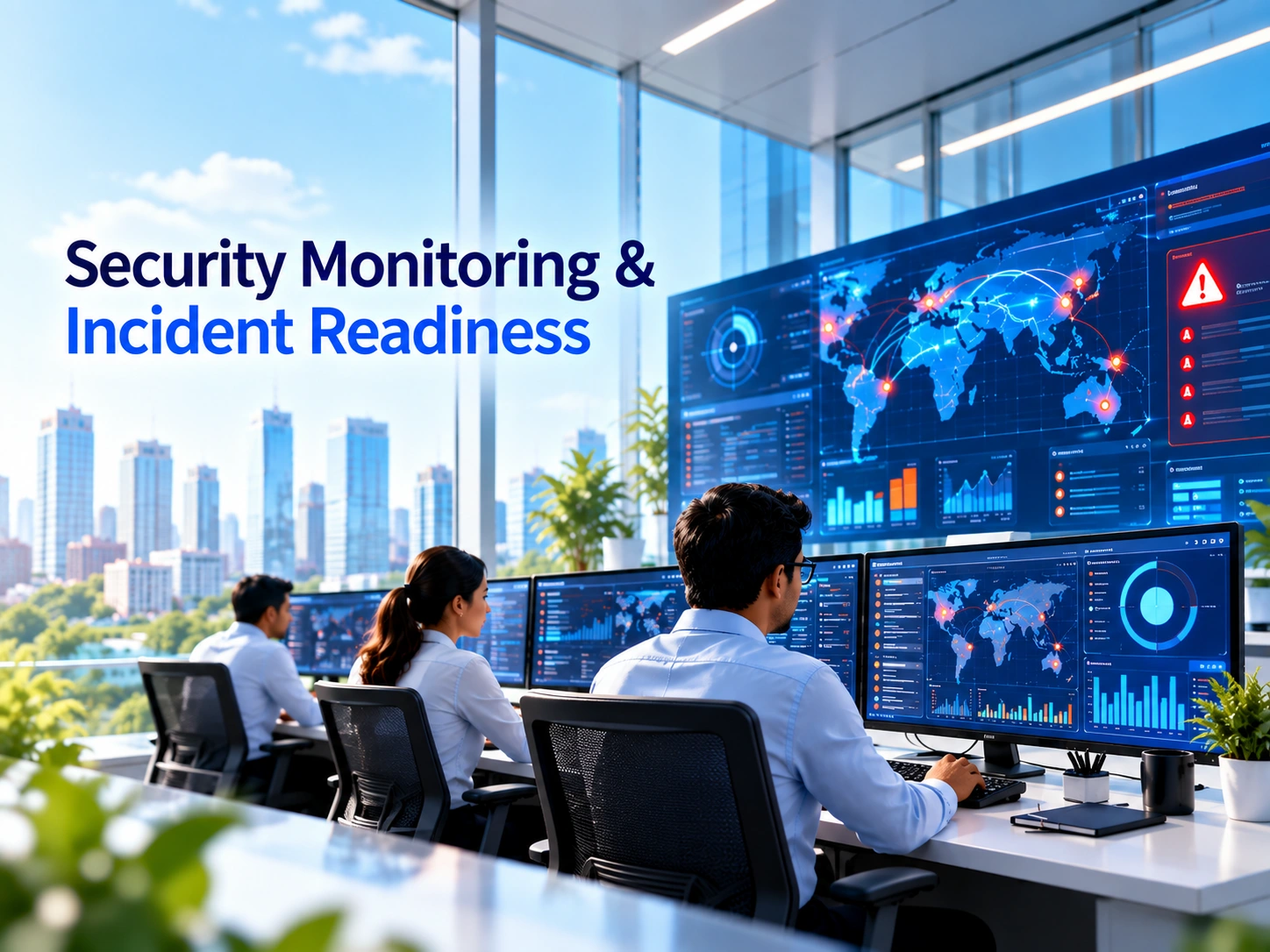
Security Monitoring & Incident Readiness
Make security signals actionable before an incident demands urgent decisions.
Security monitoring brings relevant events and alerts into view so that people can assess suspicious activity and decide what action is warranted. Incident readiness establishes the processes, contacts and information needed before an event occurs. These are connected but distinct capabilities: collecting logs does not establish who investigates an alert, and a written procedure does not ensure useful telemetry is available. A practical service considers event sources, signal quality, prioritisation and integration with existing operations. It also prepares teams to classify incidents, preserve relevant information and coordinate decisions. Monitoring and readiness support wider security controls without promising that every threat will be detected or contained.
What We Cover
- Security-event sources, log collection and telemetry integration.
- Alerting and event-correlation considerations.
- Prioritisation using asset criticality and available context.
- Incident classification and escalation workflows.
- Investigation readiness and response-procedure development.
- Reporting, retention and operational responsibility definition.
Why It Matters
Agreed workflows reduce ambiguity about what happens after an alert is raised. Teams can identify missing contacts, permissions or evidence sources before a disruptive event. Readiness also supports more consistent communication between technology and business owners, helping them make informed decisions about investigation, containment and service impact under pressure.
Design & Scope Considerations
Monitoring hours, response ownership, escalation paths, retention, support boundaries and incident-handling responsibilities must be defined in the agreed service scope. Confirm authorised actions and dependencies on customer teams. Continuous monitoring, outsourced operations and response commitments must never be inferred from log collection alone.
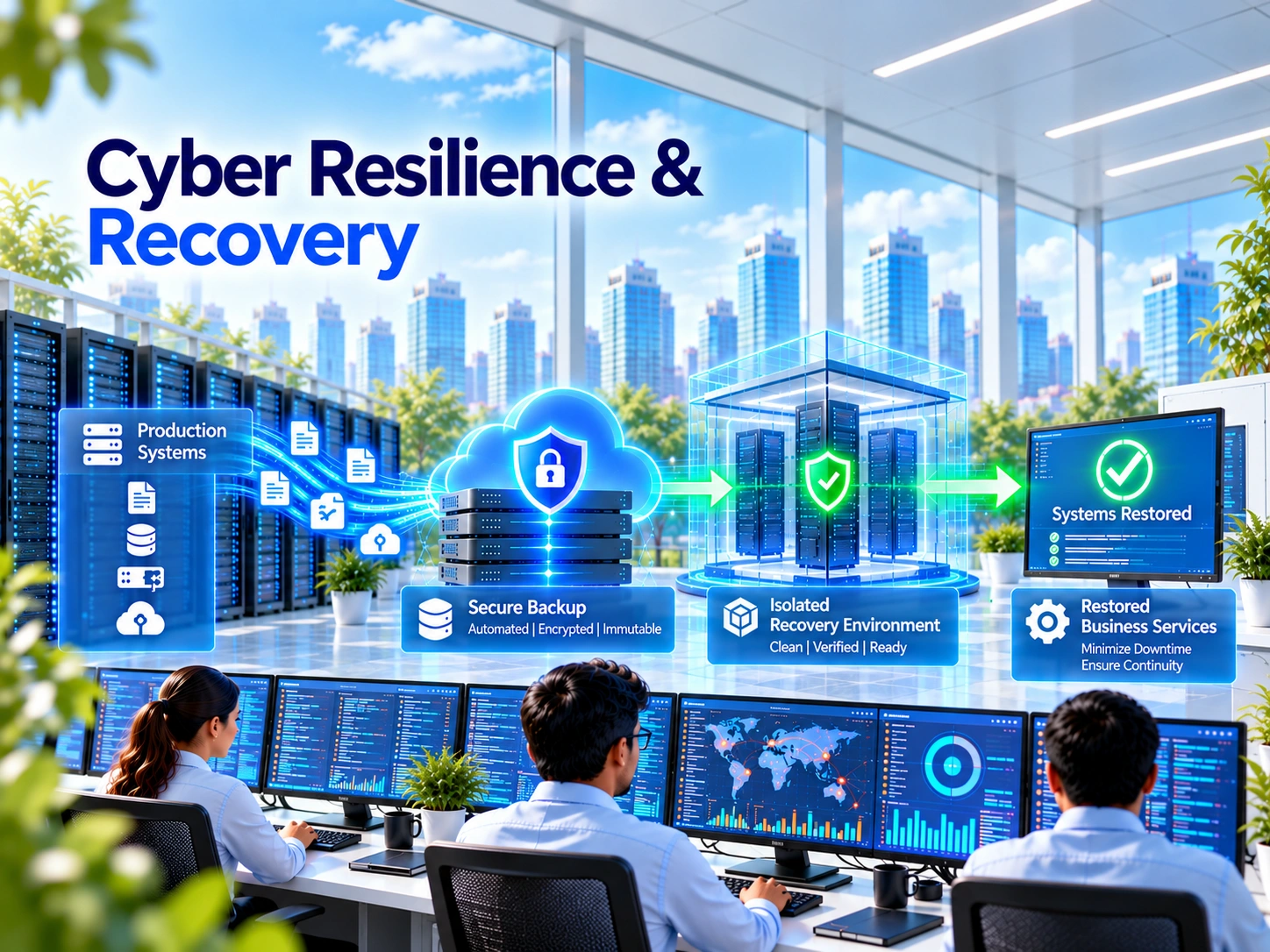
Cyber Resilience & Recovery
Prepare to sustain or restore important operations after a disruptive cyber event.
Cyber resilience considers how an organisation withstands disruption and restores trusted operations when preventive controls are insufficient. Backup provides recoverable copies; disaster recovery addresses restoration of technology services; business continuity focuses on sustaining critical business activities. Incident response investigates and manages the event, while recovery must account for its findings before systems are returned to use. These disciplines interact but are not interchangeable. A resilience service examines critical dependencies, protected recovery resources and the procedures needed to restore services in a deliberate order. It also considers how restored systems will be validated so that recovery does not simply reintroduce the original exposure.
What We Cover
- Critical-system and business-service prioritisation.
- Recovery architecture and dependency mapping.
- Backup protection and separation considerations.
- Ransomware recovery and clean-restoration readiness.
- Recovery procedures, exercises and validation where agreed.
- Restoration coordination and lessons-learned improvements.
Why It Matters
Recovery planning helps teams understand which services depend on one another and which resources must remain available during disruption. Testing can expose assumptions about credentials, backups or supplier support before they affect a real restoration. This gives business stakeholders a more useful basis for discussing recovery priorities and acceptable disruption.
Design & Scope Considerations
Agree systems, dependencies, recovery objectives, backup ownership and validation responsibilities with the relevant stakeholders. Determine testing scope and coordination with incident response and continuity teams. Recovery time and data-loss objectives must be assessed and agreed; no recovery duration or successful outcome is guaranteed.

Security Design & Technical Considerations
Build around the environment you operate today and the changes you expect tomorrow.
Network & WAN Topology
Map internet entry points, trust boundaries and inter-site traffic. Align controls with Internet Leased Line access and Point-to-Point Connectivity where used.
Cloud & Application Exposure
Identify cloud workloads, public-facing applications, APIs and third-party dependencies. Agree which systems and integrations are in scope.
Users, Endpoints & Access
Review device types, remote access, privileged accounts and authentication. Consider guest and staff access on managed WiFi networks.
Policy & Responsibilities
Translate business priorities into access and security policies. Define approvals, incident ownership and responsibilities shared with internal teams.
Capacity & Growth
Size controls around traffic, inspection requirements, users and expected expansion. Account for the performance impact of enabled security services.
Operations & Integration
Agree monitoring hours, alert routing, logging, retention and support boundaries. Validate integration with existing infrastructure before rollout.
Why CloudShots Technologies
Cyber Security FAQs
Build a Clear Security Plan for Your Organisation
Discuss your infrastructure, priority concerns and operational requirements with CloudShots Technologies to define practical next steps.