

Network, Hardware & Security Solutions
Build Connected, Reliable and Secure Enterprise IT Infrastructure
Bring enterprise networking, physical network infrastructure, managed wireless connectivity, firewall security and cybersecurity controls into one coordinated planning conversation. CloudShots Technologies helps businesses evaluate how these building blocks fit their locations, applications, users and operational priorities. Explore the five solution areas below to identify relevant capabilities, understand their relationships and shape an infrastructure approach around your requirements and existing environment.
Building Secure & Reliable Enterprise Networks
Modern business operations depend on more than an internet connection. Routing, switching, physical infrastructure and wireless access must work together to connect users and applications. Security gateways and broader cybersecurity controls help govern access, inspect relevant traffic and address risks across that environment.
An integrated approach starts with understanding existing systems, business priorities and operational responsibilities. CloudShots Technologies brings these solution areas into a coordinated discussion so that equipment selection, network design, wireless coverage and security requirements can be considered together. The final scope depends on assessment, compatibility and the services agreed for the project.
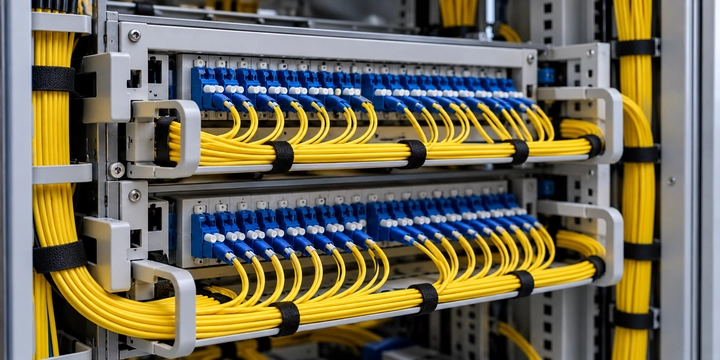
Enterprise Connectivity & Networking
Connect business locations, users and applications through an appropriate network design. Consider LAN and WAN requirements, routing, switching and integration with available connectivity services. Planning these relationships together helps identify dependencies, capacity requirements and operational boundaries before individual technologies are selected or configured.

Reliable Infrastructure Foundations
Build around physical infrastructure suited to the intended environment. Enterprise switches, routers, structured cabling, racks, power and installation conditions all influence the design. Assess existing assets and practical constraints so that equipment choices and deployment plans support maintainability, compatibility and future requirements.

Secure Wireless Access
Plan wireless access around where people work, the devices they use and the applications they depend on. Coverage, capacity, authentication, segmentation and management requirements should be considered together. Suitable access points and policies can then be integrated with the wider enterprise network.

Network Security & Cyber Protection
Combine network security controls with a broader understanding of enterprise risk. Firewalls help enforce traffic policies at defined boundaries, while cybersecurity planning considers identities, endpoints, applications and data as relevant to scope. Clear control ownership and operating procedures remain important alongside the selected technologies.
Explore Our Network, Hardware & Security Solutions
Choose the service area that best matches your current requirement, or discuss a project spanning several areas.
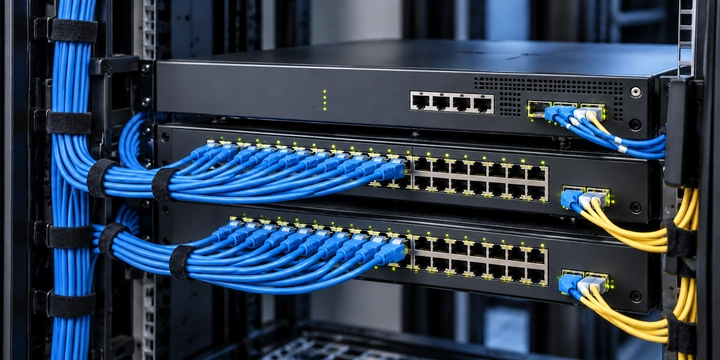
Enterprise Networking
Plan the logical network that connects your offices, users and applications. Enterprise Networking brings LAN and WAN design, routing, switching and integration requirements into a coordinated approach. Explore this service when you need to assess network structure, connect environments or align network behavior with business and operational requirements.
- LAN/WAN design
- Routing and switching
- Network integration
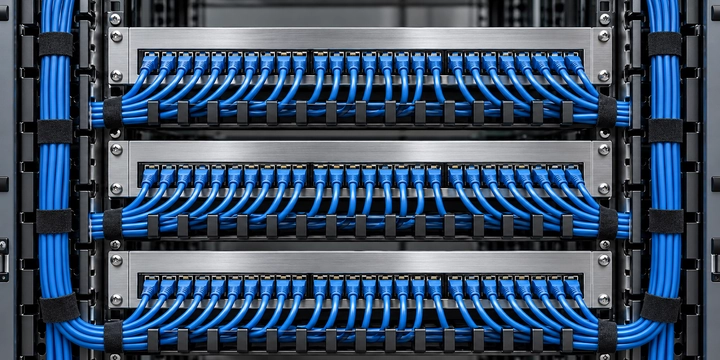
Network Hardware & Infrastructure
Establish the physical foundations that support your enterprise network. This service focuses on suitable switches and routers, structured cabling, racks and related infrastructure requirements. Explore it when selecting equipment, upgrading existing assets or planning an installation that must fit your site conditions, network design and operational responsibilities.
- Enterprise switches and routers
- Structured cabling
- Racks and physical infrastructure

Managed WiFi
Bring wireless coverage, capacity and access requirements into your wider network plan. Managed WiFi considers enterprise access points, secure access and management needs across the intended environment. Explore this service when supporting staff, guests or business devices, with management responsibilities and any ongoing operational scope agreed for your deployment.
- Wireless coverage planning
- Enterprise access points
- Secure WiFi access and management
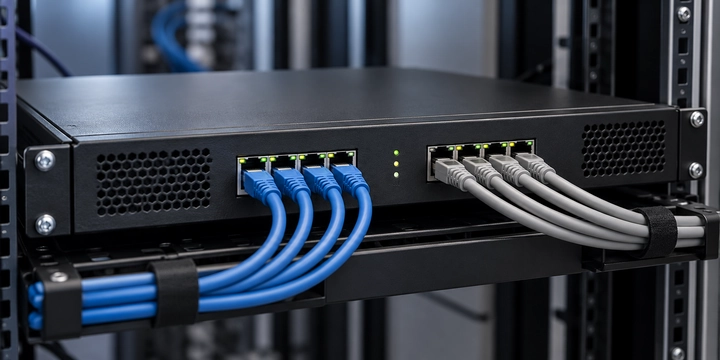
Firewall
Define how traffic should cross your network security boundaries. Firewall solutions bring security gateways, traffic inspection, policy enforcement and VPN requirements into the network design. Explore this service when evaluating perimeter controls or approved remote connectivity, taking account of application needs, inspection capacity, licensing and operational ownership.
- Network security gateways
- Traffic inspection
- Security policies and VPN

Cyber Security
Consider protection needs across the wider enterprise environment, beyond any single network gateway. Cyber Security brings risk reduction and security control planning into discussions about users, devices, applications and data. Explore this service to identify relevant protection priorities and define a suitable scope alongside existing technologies and operational responsibilities.
- Enterprise cybersecurity solutions
- Security controls
- Risk reduction and protection planning
Service link pending verification.
How Our Network & Security Solutions Work Together
This conceptual sequence shows one way to relate connectivity, a security gateway, network infrastructure, switching and access. Broader cybersecurity controls span these layers rather than forming a single final device. Real deployments may use distributed gateways, cloud controls, redundant paths or different access models; assessment determines the appropriate design.
Business Benefits of Integrated Network & Security Solutions
Reliable Network Foundations
Coordinate logical design and physical infrastructure so that connectivity requirements are considered alongside equipment, cabling and site conditions. This helps expose dependencies and potential weaknesses early, supporting a network foundation designed around the organization’s actual operating environment.
Scalable Enterprise Infrastructure
Consider future locations, users, devices and applications during infrastructure planning. Capacity, addressing, equipment selection and expansion options can then be reviewed together, helping the business prepare for growth without assuming that every component must be replaced at once.
Improved Network Visibility
Identify the information needed to understand network health and investigate issues. Where included in scope, suitable monitoring and management integration can bring relevant device and traffic information together, with clear responsibilities for reviewing findings and taking action.
Stronger Security Controls
Align access rules, network boundaries and broader protection measures with identified risks. Layered controls can reduce reliance on any single device, while defined ownership, configuration review and operational procedures help maintain the intended security approach as requirements change.
Simplified Technology Integration
Consider interfaces, compatibility and operating responsibilities across networking, wireless and security technologies. Coordinated planning can reduce avoidable integration gaps and clarify dependencies between teams, making deployment decisions easier to evaluate within the agreed scope and existing environment.
Better Infrastructure Planning
Use discovery and assessment findings to guide priorities, equipment choices and implementation sequencing. A documented plan gives stakeholders a shared basis for reviewing tradeoffs, dependencies and acceptance criteria before committing to changes across business locations and systems.
Our Enterprise Solution Delivery Approach
01
Requirements Discovery
Establish what the business needs the infrastructure to support and which constraints shape the project.
Key activities
- Discuss locations, users, devices and critical applications
- Record existing services, priorities and project boundaries
Expected deliverable: Documented requirements and agreed assessment scope.
02
Infrastructure & Security Assessment
Review the current environment and identify relevant dependencies, gaps and practical constraints.
Key activities
- Review network assets, cabling and wireless conditions
- Assess access boundaries, existing controls and integration requirements
Expected deliverable: Assessment findings and a prioritized list of considerations.
03
Solution Architecture & Design
Translate the agreed requirements into a coordinated network, infrastructure and security design.
Key activities
- Evaluate topology, equipment and control options
- Define integration points, responsibilities and acceptance criteria
Expected deliverable: Proposed solution design and implementation scope for review.
04
Deployment & Integration
Implement agreed changes using an approved sequence and coordinated change arrangements.
Key activities
- Install and configure the agreed components
- Integrate with existing systems and document change or rollback steps
Expected deliverable: Configured solution and implementation records within agreed scope.
05
Validation & Operational Handover
Check the implemented solution against agreed acceptance criteria and prepare the operating team.
Key activities
- Validate relevant connectivity, access and policy behavior
- Provide configuration records, operating guidance and ownership details
Expected deliverable: Validation record and operational handover documentation.
Network, Hardware & Security FAQs
Discuss Your Requirements
Let’s Discuss Your Network & Security Requirements
Whether you are planning a new enterprise network, upgrading existing infrastructure, improving wireless connectivity or strengthening network security, CloudShots Technologies can help you evaluate the requirements and suitable solutions.